
Par-délà la dichotomie IRM positive / IRM negative : une évolution dans la prise en charge chirurgicale des maladies de Cushing
Management of Cushing’s disease (CD) has traditionally relied on a strict binary paradigm based on MRI findings (MRI-positive vs. MRI-negative cases). In a recent study published in Brain and Spine, the Neurosurgery team at Lariboisière Hospital proposes moving beyond this...
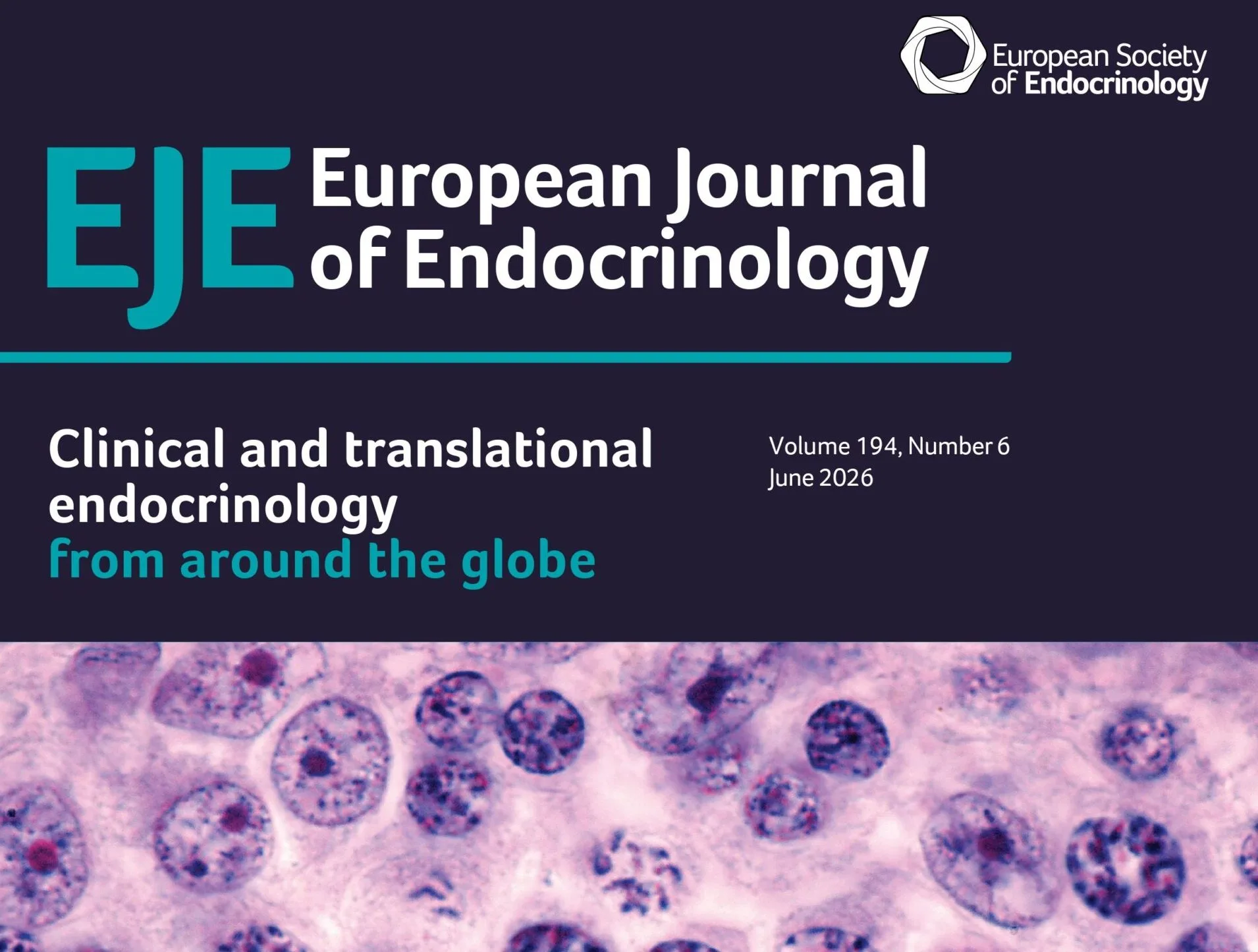
The Lariboisière Neurosurgery Team Discovers a New Robust MRI Sign Capable of Detecting Papillary Craniopharyngiomas
Published in the European Journal of Endocrinology, this retrospective study introduces a new MRI biomarker: the “polystyrene bead sign.” This novel radiological sign enables the preoperative identification of hypothalamic papillary craniopharyngiomas with high precision, paving the way for a radical...

Better predicting the aggressiveness of pituitary tumors through genomics
Published in the international journal Neuro-Oncology, which has a high impact factor (IF=13.2), our latest research offers a significant advancement in better understanding and predicting the behavior of pituitary adenomas (PitNETs), whose progression can vary greatly from one patient to...

a new minimally invasive concept and closure technique for endoscopic endonasal approaches
A new surgical technique developed by the neurosurgery team at Lariboisière Hospital, published in the Journal of Neurosurgery (2025), demonstrates that complex skull base tumors can be operated on through the nose in an even less invasive way — while...

NeuroDM: A national network to accelerate innovation in neurosurgery
Technological innovation is profoundly transforming the practice of neurosurgery. To support the development and evaluation of medical devices, the NeuroDM network was created at the initiative of Prof. Sébastien Froelich, neurosurgeon at Lariboisière Hospital (AP-HP) and professor at Université Paris...

An original research project at the crossroads of medicine and anthropology
This doctoral research lies at the crossroads of biological and medical anthropology, adopting an interdisciplinary approach that integrates paleoanthropology, paleoimaging, and neurology. The project focuses on Moyamoya disease, a rare cerebrovascular disorder characterized by progressive stenosis of the terminal carotid...

Skull Base 360°: An International Program Kicks Off at IRCAD
Skull Base 360°: An International Program Kicks Off at IRCAD Today marks the start of the international program “Skull Base 360-Degree – The Full Spectrum Micro-Endo-Radiosurgery” at IRCAD, a 5-day intensive course entirely dedicated to the surgical and radiosurgical management...

High-Precision Radiosurgery Featured on France Télévisions
High-precision cerebral radiosurgery is gaining increased visibility among the general public. France Télévisions recently aired a report highlighting this innovative approach, with a focus on the ZAP-X technology used at Lariboisière Hospital (AP-HP). The feature showcases major advances in stereotactic...

Transorbital Eyebrow Lacrimal Keyhole Approach (TELKA)
Case highlight: A 64-year-old man with partial seizures underwent resection of a meningioma arising from the lateral wall of the cavernous sinus using a transorbital eyebrow lacrimal keyhole approach (TELKA). By removing the lip of the superolateral orbital rim (“lacrimal...

Specific focus on the basal dura for improving Cushing’s disease surgery: a cohort study
Background and objectives In Cushing’s disease, the rate of endocrine remission after surgery reaches about 80% in expert centers. However, due to the tumor’s ability to invade surrounding dural structures, hypercortisolism persists in 20% of patients or recurs in 15%....